Showing posts with label Revising. Show all posts

Sunday, February 26, 2023

First Step Done

This past week, I was on vacation with my family visiting friends in Virginia. On
one beautiful 80-degree morning, I was sitting on their back deck surrounded by the chatter of beautiful bird song, and -- big news -- 
dah-da-da-daaaah... I finished the first draft of Periphery.

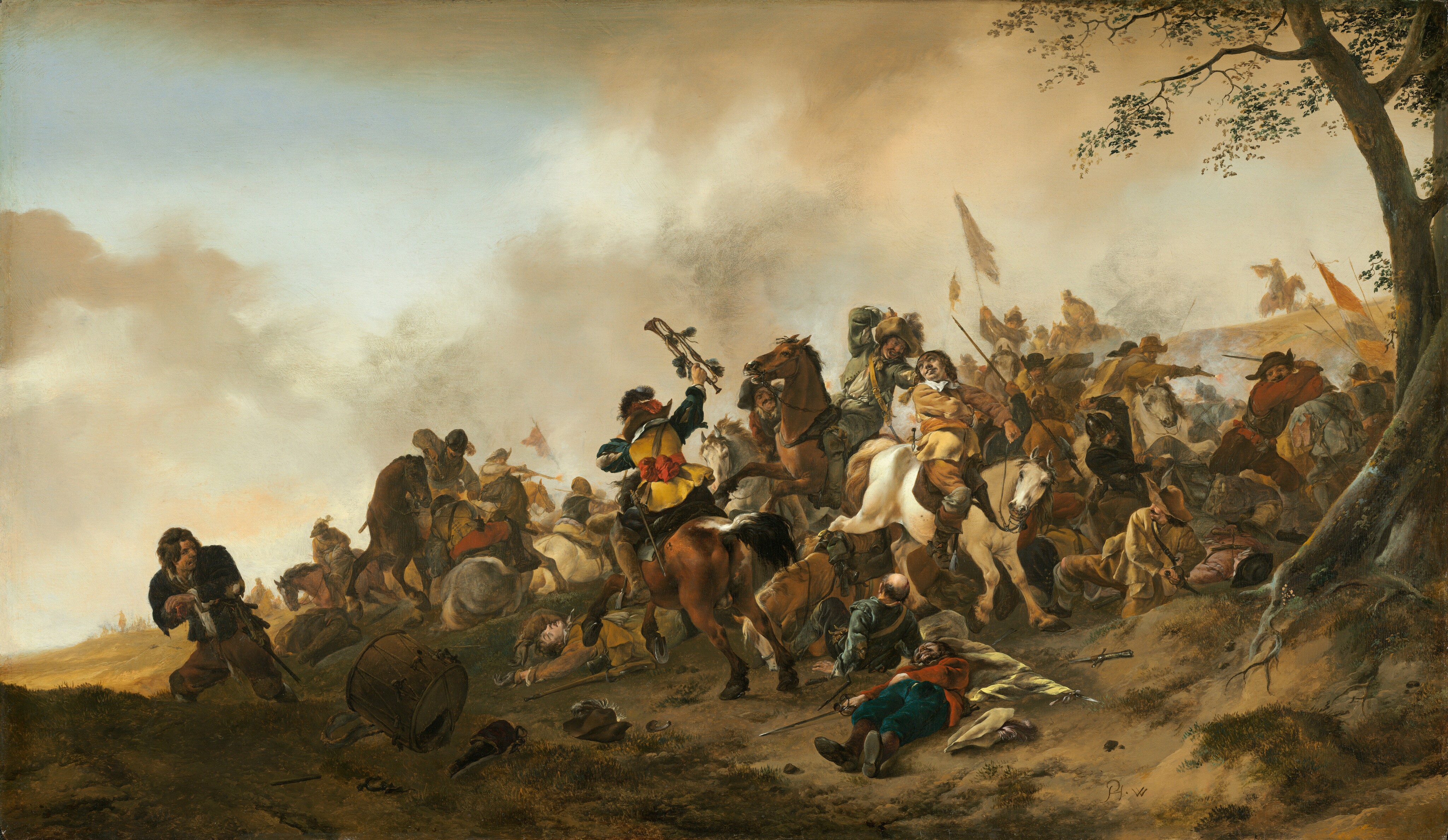
That sounds like such a huge accomplishment, and it is, but remember, a first draft is just you telling yourself the story. And even though I was just trying to tell the story, the last few chapters were a struggle. I had to craft battle scenes, which I had never written before. There are a ton of characters, and as a writer, I had to make sure they were all accounted for. Then there is the denouement, which has to tie up all the loose ends. 

And so I finally reached an end with which I am satisfied.

Tomorrow, I start revising: making sure there are no contradictions, making sure travel times between settings are accurate, making sure I let my readers experience my character's emotions. This is my first fantasy novel, and I want it to feel epic.

Now the real work begins.


Sunday, December 4, 2022

Publishing Series: #10 Are We There Yet?

So the beta readers have given your manuscript a look-see. You've taken their comments and questions under consideration and made the necessary changes and improvements. Now you're done, right?

Well, not quite.

The next suggestion is going to sound a bit odd.

Close yourself up in a room with your manuscript and a pencil. Make sure there will be no interruptions. Your job now is to read the entire story to yourself out loud.

Yes. Out loud. 

By reading out loud, you hear how the sentences sound in another person's head. You are reading what is there on the page, not what you think is on the page. You may catch awkward wordings that other read-throughs haven't caught, or even noticed words you intended to include, but have left out. 

If you are good at punctuation and grammar -- and really make sure that you are before attempting this part by yourself -- you can also catch these types of errors. If you are not good at editing -- and by that I mean punctuation, capitalization, and usage -- than I recommend finding a good editor. But this can cost money. Either spend the bucks or educate yourself by using resources like Strunk and White's Elements of Style, the Associated Press Stylebook, or Warriner's Grammar book.

This is one of the last read-throughs your manuscript will have, and when it goes out into the world, you want it to be as pretty and shiny as it can be!

Next Up: Indie or Traditional Publishing?

Tuesday, November 1, 2022

Publishing Series: #9 So You Think You're Done...

Okay. You've written and revised. And revised some more. You're pleased. It sounds good. That manuscript is done! 

Ah, not quite. Now you need to find some beta readers. Three or four should be plenty. They should be people who enjoy a good story. They should also be people you trust to tell you the truth. Their job will be to read your entire manuscript and track their thoughts in the margins. If they have a question, they should write it down. If they are shocked or surprised, they should write it down. They should have a conversation with you and the text in writing in the margins.

Set a date when they should have completed their task and returned the manuscript to you. Then sit down and re-read your story and read their comments. My habit is to spread out at a large table with all the copies in front of me and page through them all at the same pace. I read all the page one comments, then all the page two comments. You get the idea. I also have my writing up on my computer and make suggested changes along the way. Sometimes the beta readers' comments won't help, but if a reader has a question about something they should have the answer to, that is either their fault as a reader or your fault as a writer. You need to figure it out. Having several eyes on the text will help you do that.

If they laugh when you wrote something funny or are shocked when you wrote something surprising, your writing is working. Beta readers can be reaffirming in this way, and they can also help you discover holes in your plot or flaws in your characters.

So what do you do when you have digested all your beta readers' comments? Revise again!

Next Up: Are We There Yet?

Sunday, October 23, 2022

Publishing Series: #8 How Do You Know When You Are Done?

How do you know when a piece of writing is finished?

Good question!

Sometimes you don't. The best advice at this stage of the writing process is to get your writing in front of other people that you respect for their writing talent and that you trust. In most cases this is some sort of writers' group.

I've belonged to a writers' group for about 15 years. The membership has changed over the years -- people drift out as life gets complicated and sometimes drift back in when they enter a period of time to dedicate to writing. Our core group of writers, however, has pretty much remained the same. They are a great group of talented, intelligent, creative people.

We meet once a month and bring a piece of writing to share -- something that we need help with or need to see a response to. Before we read our piece to the group, we try to tell them what we need them to look for. We provide a copy of the piece for each member and they mark up their copy while we read it aloud to them. Constructive criticism runs the gamut from spelling and punctuation errors to word choice and development suggestions.

At one meeting, I brought one of the last chapters of Relic before it was published. After I read, the group was upset. The character of the county historian had been mean to the two young girls in the story, they said. He needed his "comeuppance" -- their word, not mine. All the way home that night, I cursed them out! How could I fit this in? How could I make it happen? By the time I got home, I had figured it out. And to this day, I think it is one of the best parts of the story!

The writers' group has been invaluable in my journey as a writer. Find one near you, or reach out to your local library or indie bookstore and see if there is interest to start one!

Next Up: So You Think You're Done...

Sunday, October 16, 2022

Publishing Series: #7 Revising by Choosing the Right Word

Every word matters.

Believe it or not, writers sometimes agonize about which word to choose. So how do they decide?

First of all, a writer needs to realize that words are defined by both their denotation and their connotation. The denotation is the dictionary definition, but the connotation is the emotion and feeling that goes along with the word. It is the difference between the word "jog" and "flee". Both entail some kind of running, but jogging sounds fun. Fleeing sounds like a person is running from something dangerous. There is a connotation difference.

Every word an author chooses has to add to the tone of the piece, and connotation helps with that.  If nothing else, know if the word you are choosing has a positive or a negative connotation.   If you are writing a battle scene, you don't want words with positive connotations -- unless your character is winning! 

Some people use a thesaurus to help them choose the right word. Sometimes I do. But you can't just choose any word from the list of synonyms. Know the definition of the word, and certainly make sure you know its connotation so that you can decide if it is adding to the piece's overall tone.

Next Up: How Do You Know When You are Done?


Monday, October 3, 2022

Publishing Series: #6 Revising by Adding Description

Description is a tricky beast.

How does a writer decide what to describe and what not to describe? How does a writer know what details to include? 

First, look at events through the eyes of your character. They wouldn't notice everything, only things that were important to them at that moment. The details, then, would help move the plot along. Remember, too, that details aren't always what is seen. Pulling in smells and sounds really bring the setting alive, but again, they need to be important to the action happening at that moment.

Individual word choice at this point can also help bring the story to life. A character could walk, but it is better to choose a more descriptive word. Picture it like a movie in your head. Think about how that character is walking at that moment in the story. Does he stride? Trapse? Skulk? Trot? Determine how their state of mind is materializing through the character's movements. Consider other body movements as well. Where are their eyes looking? What are they doing with their arms? 

And remember, too much description can weigh a reader down.

Next Up: Choosing the Right Word