Wednesday, March 19, 2025
Putting Things in Order
Sunday, February 26, 2023
First Step Done
This past week, I was on vacation with my family visiting friends in Virginia. On
one beautiful 80-degree morning, I was sitting on their back deck surrounded by the chatter of beautiful bird song, and -- big news -- dah-da-da-daaaah... I finished the first draft of Periphery.
That sounds like such a huge accomplishment, and it is, but remember, a first draft is just you telling yourself the story. And even though I was just trying to tell the story, the last few chapters were a struggle. I had to craft battle scenes, which I had never written before. There are a ton of characters, and as a writer, I had to make sure they were all accounted for. Then there is the denouement, which has to tie up all the loose ends.
And so I finally reached an end with which I am satisfied.
Tomorrow, I start revising: making sure there are no contradictions, making sure travel times between settings are accurate, making sure I let my readers experience my character's emotions. This is my first fantasy novel, and I want it to feel epic.
Now the real work begins.
Monday, October 3, 2022
Publishing Series: #6 Revising by Adding Description
Description is a tricky beast.
How does a writer decide what to describe and what not to describe? How does a writer know what details to include?
First, look at events through the eyes of your character. They wouldn't notice everything, only things that were important to them at that moment. The details, then, would help move the plot along. Remember, too, that details aren't always what is seen. Pulling in smells and sounds really bring the setting alive, but again, they need to be important to the action happening at that moment.
Individual word choice at this point can also help bring the story to life. A character could walk, but it is better to choose a more descriptive word. Picture it like a movie in your head. Think about how that character is walking at that moment in the story. Does he stride? Trapse? Skulk? Trot? Determine how their state of mind is materializing through the character's movements. Consider other body movements as well. Where are their eyes looking? What are they doing with their arms?
And remember, too much description can weigh a reader down.
Next Up: Choosing the Right Word
Sunday, September 25, 2022
Publishing Series: #5 Revising by Adding Dialog
Once you have completed your first draft, there are several ways to begin your revisions.
One of the first places I look for are areas that I can expand with dialog. Dialog shouldn't be there just to have characters talk, however. Good dialog moves the plot along, while at the same time helping to define your characters.
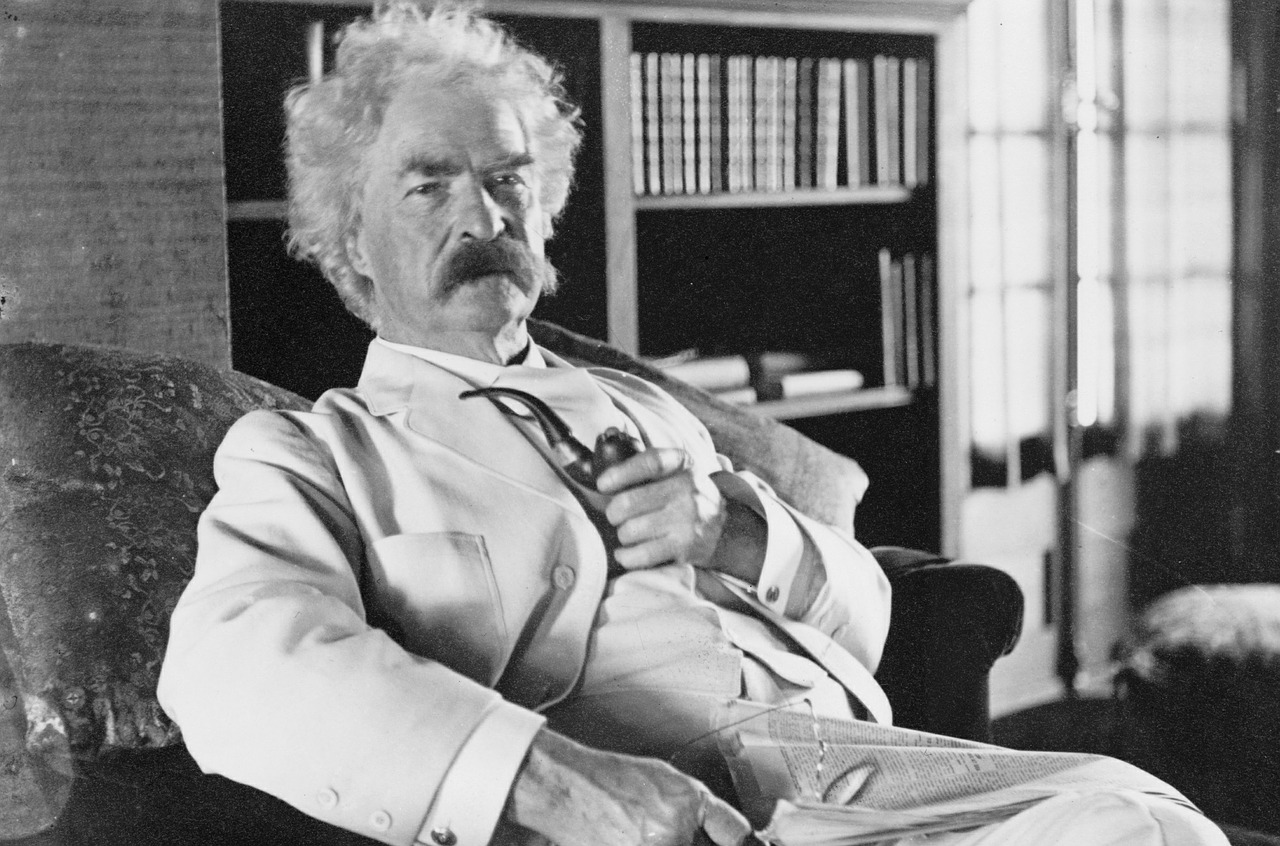
Mark Twain said, "Don't say the old lady screamed. Bring her on and let her scream." What he meant was look for places where you told the reader something. Maybe you say your character was worried or pleased about something. Instead of saying it, let the character say it. It is often why I work to keep characters traveling together, so they have someone to talk to.
And dialog needs to sound authentic. While you are out and about during your day, listen to people talk. Really listen. The spoken language isn't usually stiff and formal. People hem, they haw. They don't speak in complete sentences. And people usually don't monolog. If your characters are having a discussion, don't let one of them take over unless it is essential to the plot, and even then, intersperse it with comments or body language from the other characters.
Remember, each character needs to sound unique. This is where character traits come into play. What is important to that character will come out in what they have to say.
Writing good dialog takes practice. I have often thought that my experience as a reporter has helped my dialog sound authentic. I spent years writing down exactly what people said so I could quote them in articles. I spent time listening to the rhythm and nuances of language and how it was punctuated. It was time well spent.
Next Up: Adding Description
Sunday, September 18, 2022
Publishing Series: #4 The First Draft
As author Terry Pratchett says, "The first draft is just you telling yourself the story."
That was an absolute stress reliever and eye-opener for me.
When your outline is done, just start writing. At this point you don't need a fancy beginning or a tear-jerking ending. Don't worry too much about correct spellings, punctuation, or capitalization -- although fewer errors in these categories will save you time later. Don't worry about word count or length. Just tell yourself the story.
Push through. Sometimes, I must confess, I combine my first and second drafts, but more about the second draft later.
Don't necessarily even worry about dialog unless you immediately hear the conversation in your head.
There will be many places where your story will be expanded in a second draft -- places to describe, places to add dialog, parts to rearrange.
This doesn't mean do a slipshod job. Tell the story as well as you can. This first draft can take several months to complete, so be patient.
But when you get bogged down, just repeat that mantra: Just tell yourself the story.
Next Up: Adding Dialog